Console
Troubleshooting Automated Messages
5 min read
Updated Sep 4, 2026
When automated messages are not sending, a systematic approach helps you find the root cause and restore reliable communication.
When automated messages are not sending as expected, a systematic troubleshooting approach helps you identify the root cause and restore reliable communication quickly.
Overview
- What it is: A step-by-step guide for diagnosing and resolving issues with automated messages (Flows, Auto Messages, and scheduled notifications) in eCourtDate
- Why it matters: Automated messages are critical for court reminders, payment notifications, and client communication. Delays or failures can affect compliance and client experience
- Who uses it: Agency administrators, IT staff, and support personnel who manage messaging configurations
- Expected outcomes: A clear understanding of the issue source, verified fix on staging, and restored message delivery on production
Prerequisites
- You must have admin access to your eCourtDate agency
- You should have access to both your staging and production environments
- Familiarity with your agency's data sources (manual uploads, SFTP, or API integrations)
- Familiarity with your agency's Flows and Auto Message configurations
How-To Steps
Step 1: Identify the Data Source
Determine how your data enters eCourtDate and check for issues at the source.
If you manually upload files:
- Navigate to Uploads in the top navigation bar.
- Review the most recent upload for warnings or errors.

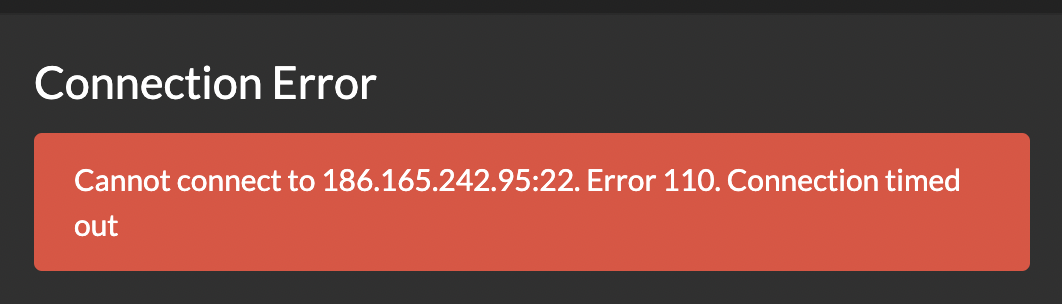
If you use automated file uploads (SFTP):
- Check your SFTP connection status in the Console.
- Verify the connection is active and recent files were transferred successfully.
If you use an automated API integration:
- Check the API status in the Console.
- Verify the API is active and processing records.

Step 2: Identify the Message Source
- Navigate to Dashboard > Messages or search for the affected message.
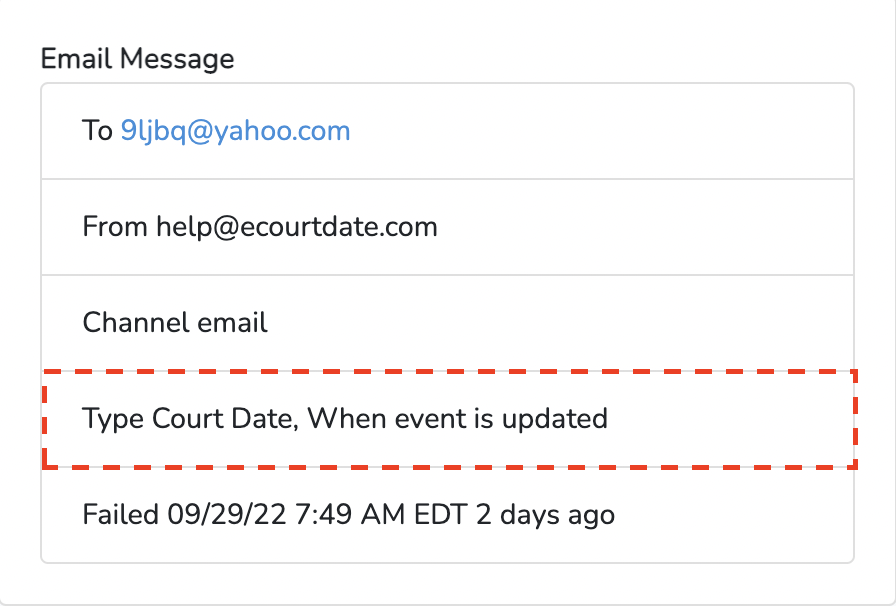
- Click any message to view the message type (Flow, Auto Message, Bulk Action, or One-off).

- Identify the specific Flow or Auto Message that generated the message.
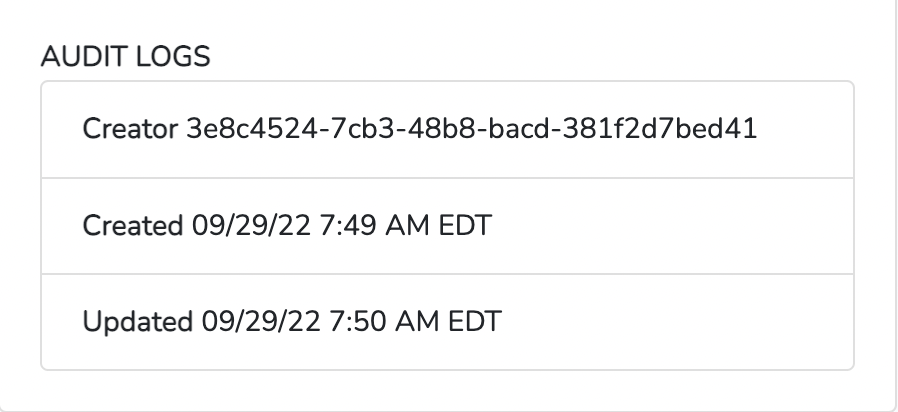
- Click any message to view the audit logs and identify the data creator.
Step 3: Resolve the Issue on Staging
- Reproduce the issue on your staging environment.
- Apply your fix or configuration change.
- Test by creating a sample record and verifying the automated message behaves as expected.
Step 4: Apply Changes to Production
- Apply the same settings and resolution steps on your production environment.
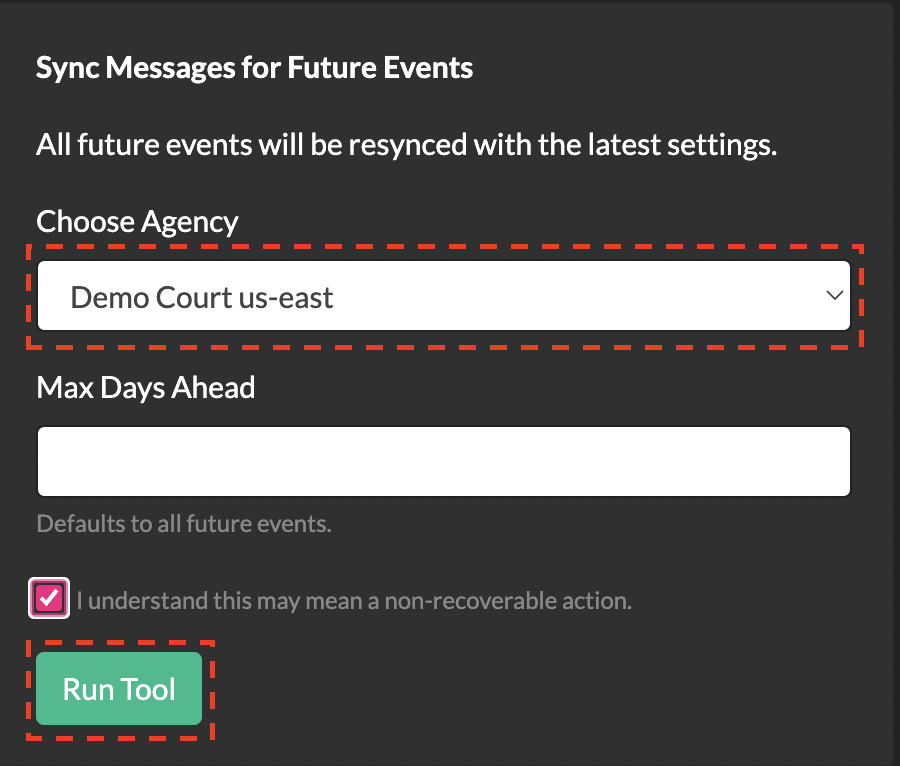
- Resync scheduled messages by navigating to the Console.
- Open the Sync Messages for Future Events form.
- Select your agency from the dropdown list.
- Confirm the checkbox and click Run Tool.
Step 5: Switch to Live Mode
- Navigate to the footer of any screen in your production agency.
- Verify the send mode is set to Live.
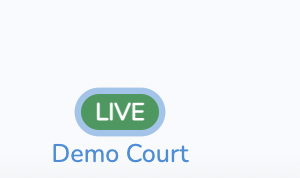
Note: If your agency was in test mode during troubleshooting, messages will not be delivered until you switch back to Live mode.
Step 6: Send a Correction Message (If Needed)
If clients received incorrect information or missed a notification, send a correction using Bulk Actions.
- Create a new Bulk Action with the corrected message.
- Filter for the affected clients.
- Review the client list and message content.
- Click Live Run to send the correction.

What to Expect
After completing the troubleshooting steps, your automated messages should resume normal delivery. Resynced messages for future events will reflect your updated Flow and Auto Message settings. Clients who were affected by the issue can be notified through a correction bulk action.
Best Practices
- Always test fixes on staging before applying them to production
- Check audit logs to understand the full chain of events before making changes
- Keep your SFTP and API integrations monitored for connection failures
- Document the root cause and resolution for future reference
- Verify send mode is set to Live after completing any troubleshooting session
Frequently Asked Questions
Q: How do I know if my agency is in test mode?
A: Check the footer of any screen in your agency. If the send mode shows "Test," messages are not being delivered to clients. Switch to Live to resume delivery.
Q: Will resyncing messages duplicate messages that were already sent?
A: No. The Sync Messages for Future Events tool only affects future scheduled messages. Messages that have already been sent or are in the process of sending are not affected.
Q: What should I do if the SFTP connection is down?
A: Verify the SFTP credentials and server status in the Console. If the connection was recently changed, update the credentials. Contact your IT department if the SFTP server itself is unreachable.
Q: Can I see who created the data that triggered the message?
A: Yes. Click on any message and review the audit logs. The creator field shows whether the record was created by a user, an upload, an API, or an SFTP import.
Troubleshooting
Issue: Automated messages are not sending for new events.
Symptoms: New events are created but no messages appear in the message queue.
Solution:
- Verify the event has a Flow assigned
- Check that the event status does not have Disable Messages enabled
- Confirm the agency send mode is set to Live
- Review the Flow settings to ensure messages are enabled for the event type and status
Issue: Messages are sending with incorrect content.
Symptoms: Clients receive messages with wrong dates, names, or details.
Solution:
- Check the most recent data upload for warnings or field mapping errors
- Verify merge tags in the Flow or Auto Message are referencing the correct fields
- Use the Preview feature on a sample message to confirm merge tags resolve correctly
Issue: Messages stopped sending after a configuration change.
Symptoms: Messages were working before but stopped after updating a Flow, status, or location setting.
Solution:
- Review the recent changes to identify what was modified
- Run Sync Messages for Future Events from the Console
- Verify the Flow, status, and location settings are all configured correctly
- Test on staging before confirming the fix on production
Important: If you continue to experience issues after following these troubleshooting steps, sign in to eCourtDate and create a ticket by clicking the ticket button in the bottom right corner of the screen.
Related Articles
When automated messages are not sending as expected, a systematic troubleshooting approach helps you identify the root cause and restore reliable communication quickly.
### Overview
- **What it is:** A step-by-step guide for diagnosing and resolving issues with automated messages (Flows, Auto Messages, and scheduled notifications) in eCourtDate
- **Why it matters:** Automated messages are critical for court reminders, payment notifications, and client communication. Delays or failures can affect compliance and client experience
- **Who uses it:** Agency administrators, IT staff, and support personnel who manage messaging configurations
- **Expected outcomes:** A clear understanding of the issue source, verified fix on staging, and restored message delivery on production
### Prerequisites
- You must have admin access to your eCourtDate agency
- You should have access to both your staging and production environments
- Familiarity with your agency's data sources (manual uploads, SFTP, or API integrations)
- Familiarity with your agency's Flows and Auto Message configurations
### How-To Steps
#### Step 1: Identify the Data Source
Determine how your data enters eCourtDate and check for issues at the source.
**If you manually upload files:**
1. Navigate to **Uploads** in the top navigation bar.
2. Review the most recent upload for warnings or errors.

**If you use automated file uploads (SFTP):**
1. Check your SFTP connection status in the Console.
2. Verify the connection is active and recent files were transferred successfully.

**If you use an automated API integration:**
1. Check the API status in the Console.
2. Verify the API is active and processing records.

#### Step 2: Identify the Message Source
1. Navigate to **Dashboard** > **Messages** or search for the affected message.
2. Click any message to view the **message type** (Flow, Auto Message, Bulk Action, or One-off).

3. Identify the specific **Flow** or **Auto Message** that generated the message.

4. Click any message to view the **audit logs** and identify the data creator.

#### Step 3: Resolve the Issue on Staging
1. Reproduce the issue on your staging environment.
2. Apply your fix or configuration change.
3. Test by creating a sample record and verifying the automated message behaves as expected.
#### Step 4: Apply Changes to Production
1. Apply the same settings and resolution steps on your production environment.
2. Resync scheduled messages by navigating to the Console.
3. Open the **Sync Messages for Future Events** form.
4. Select your agency from the dropdown list.
5. Confirm the checkbox and click **Run Tool**.

#### Step 5: Switch to Live Mode
1. Navigate to the footer of any screen in your production agency.
2. Verify the send mode is set to **Live**.

> **Note:** If your agency was in test mode during troubleshooting, messages will not be delivered until you switch back to **Live** mode.
#### Step 6: Send a Correction Message (If Needed)
If clients received incorrect information or missed a notification, send a correction using Bulk Actions.
1. [Create a new Bulk Action](/how-to-send-a-mass-message-using-bulk-actions) with the corrected message.
2. Filter for the affected clients.
3. Review the client list and message content.
4. Click **Live Run** to send the correction.

### What to Expect
After completing the troubleshooting steps, your automated messages should resume normal delivery. Resynced messages for future events will reflect your updated Flow and Auto Message settings. Clients who were affected by the issue can be notified through a correction bulk action.
### Best Practices
- Always test fixes on staging before applying them to production
- Check audit logs to understand the full chain of events before making changes
- Keep your SFTP and API integrations monitored for connection failures
- Document the root cause and resolution for future reference
- Verify send mode is set to **Live** after completing any troubleshooting session
### Frequently Asked Questions
**Q: How do I know if my agency is in test mode?**
A: Check the footer of any screen in your agency. If the send mode shows "Test," messages are not being delivered to clients. Switch to **Live** to resume delivery.
**Q: Will resyncing messages duplicate messages that were already sent?**
A: No. The **Sync Messages for Future Events** tool only affects future scheduled messages. Messages that have already been sent or are in the process of sending are not affected.
**Q: What should I do if the SFTP connection is down?**
A: Verify the SFTP credentials and server status in the Console. If the connection was recently changed, update the credentials. Contact your IT department if the SFTP server itself is unreachable.
**Q: Can I see who created the data that triggered the message?**
A: Yes. Click on any message and review the audit logs. The creator field shows whether the record was created by a user, an upload, an API, or an SFTP import.
### Troubleshooting
**Issue:** Automated messages are not sending for new events.
**Symptoms:** New events are created but no messages appear in the message queue.
**Solution:**
1. Verify the event has a Flow assigned
2. Check that the event status does not have **Disable Messages** enabled
3. Confirm the agency send mode is set to **Live**
4. Review the Flow settings to ensure messages are enabled for the event type and status
**Issue:** Messages are sending with incorrect content.
**Symptoms:** Clients receive messages with wrong dates, names, or details.
**Solution:**
1. Check the most recent data upload for warnings or field mapping errors
2. Verify merge tags in the Flow or Auto Message are referencing the correct fields
3. Use the **Preview** feature on a sample message to confirm merge tags resolve correctly
**Issue:** Messages stopped sending after a configuration change.
**Symptoms:** Messages were working before but stopped after updating a Flow, status, or location setting.
**Solution:**
1. Review the recent changes to identify what was modified
2. Run **Sync Messages for Future Events** from the Console
3. Verify the Flow, status, and location settings are all configured correctly
4. Test on staging before confirming the fix on production
> **Important:** If you continue to experience issues after following these troubleshooting steps, sign in to eCourtDate and create a ticket by clicking the ticket button in the bottom right corner of the screen.
### Related Articles
- [How to Send a Mass Message using Bulk Actions](/how-to-send-a-mass-message-using-bulk-actions)
- [How to Disable Messages based on Status](/how-to-disable-messages-based-on-status)
- [How to Create an Auto Message](/how-to-create-an-auto-message)
- [How to Create a Flow](/how-to-create-a-flow)
- [How to Create Locations](/how-to-create-locations)
- [How to Configure Opt-in and Opt-out Compliance](/how-to-configure-opt-in-and-opt-out-compliance)